7 Advantages of EHS Software for Small Businesses
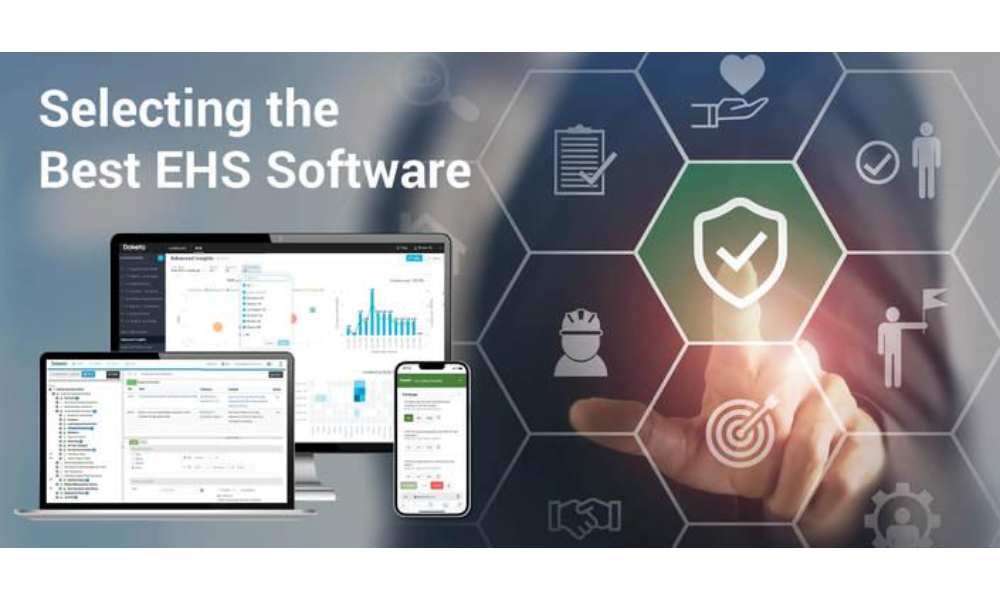
As the economy is expected to recover strongly after the pandemic, businesses in all industries must invest again in workplace health and safety. This will help prevent injuries that could affect their growth or delay their recovery. Using Environment, Health, and Safety (EHS) Software can help your business communicate better, work more efficiently, reduce costs, and most importantly, protect workers from illness and injury.
Small businesses can gain many benefits by using EHS tools offered by Isometrix.com. These tools improve access to useful information and data, which helps with planning, decision-making, and using resources better. They also reduce the amount of paperwork and make processes smoother, which can lead to better performance and lower costs.
According to the 2022 State of Employee Safety Report, 55% of workers said their companies had done more than expected to keep them safe in the past few years. This is encouraging, as employees feel more confident when they know their safety is a top priority. However, workplace safety is always changing and needs to be reviewed regularly to find areas for improvement.
Choosing the Right EHS Management Software
Everyone in your company, from leadership to contractors, must understand the importance of workplace health and safety. They also need to be familiar with the rules and practices that help create and maintain a safe and healthy work environment.
While paper-based systems have worked for many years, they are no longer enough in today’s fast-moving digital world. Safety management software helps companies handle safety tasks more smoothly, follow the rules, allow employees to report hazards easily, and give management a clear picture of what’s happening. By keeping track of safety data, companies can better understand what is working and what needs improvement.
Here are some things to think about when choosing the right EHS software for your small business:
Understand What Your Business Needs
It is important to clearly understand what your company needs from a safety system. Review your current safety practices and make a list of the features you are looking for. For example, do you need an app so workers can report hazards while working off-site? Do you need a tool that helps manage contractors? Do your managers need dashboards that show real-time data?
Also, think about how your company might grow or change in the future. Will your safety needs change too? Budget is also important, so consider how much you can spend on a new system.
Talk to Your Employees
It’s important to involve your employees in the process. Ask them what they need, such as the ability to upload pictures of hazards or make suggestions for improvement. Getting them involved early helps build interest in the software. This also makes it more likely that they will use the system when it is in place. When employees are part of the decision-making, they are more likely to support the changes.
Setup and Ongoing Support
Think about whether someone in your company can set up the new system or whether you need a software provider that offers setup help. Also, check what support is available after the system is running. If you run into problems, is there someone you can contact for help?
Choosing the Right Provider
Once you understand your business needs, start researching software providers that offer what you’re looking for. Try to find a few to compare. Read reviews, talk to others in your industry, and ask for suggestions. This will help you find a provider that fits your business best.
Why Small Businesses Should Use EHS Software
According to a study by Facts and Factors, the global demand for EHS software is expected to grow from over USD $6 billion in 2021 to almost USD $12 billion in 2028, with an annual growth rate of 11.6%.
There are many reasons why small businesses should consider using EHS software. One of the main reasons is that it helps keep employees safe while saving time and money. Here are some ways EHS software can benefit small companies:
1 – Helps Reduce Human Mistakes
Mistakes are a part of any job, but when it comes to health and safety, even a small error can lead to serious harm. Many safety professionals focus on finding ways to reduce these mistakes and help employees work more safely and effectively.
EHS software helps track and manage daily safety tasks in real time. Employees can report hazards quickly, and alerts can be sent to the right people so action can be taken right away. With one system for all safety tasks, everything is stored in one place, making it easier to stay organised. While no system is perfect, using good software can reduce the chance of mistakes.
2 – Fewer Accidents and Injuries
If you want to improve safety at your job sites while also saving money, EHS software is a smart place to start.
According to the National Safety Council in the U.S., every injury that requires medical treatment costs a company around USD $44,000. A fatal accident could cost over USD $1.3 million. EHS software helps prevent injuries and accidents, which lowers these risks and costs.
3 – Avoid Fines and Penalties
EHS software also helps you stay in line with safety laws. If your company fails to follow safety rules, it could face serious fines.
Digital records make it easier to store and find important documents. This reduces the chance of losing paperwork or failing an inspection. As your business grows, it can become harder to keep track of everything. EHS software helps make sure you meet deadlines and follow all legal requirements.
4 – Lower Insurance Costs
Insurance providers look at your industry, how you manage safety, and how often claims are made. The more accidents your business has, the higher your premiums will be.
If your company has fewer accidents and makes fewer insurance claims, you are seen as a lower risk. This can lead to lower insurance premiums.
5 – Easier Reporting
Reporting hazards and incidents is a key part of a safety manager’s job. EHS software makes this task easier by automating parts of the reporting process and helping workers complete forms faster. Using mobile checklists and other tools, employees can take part more actively in safety efforts.
EHS software is similar to Enterprise Resource Planning (ERP) software. Many small businesses use ERP systems to collect and manage data from different areas of the business. Just like EHS tools, ERP software helps companies work more efficiently, lower costs, and increase profits.
6 – Boosts Overall Performance
EHS tools also improve business performance by cutting down the time spent on admin tasks and identifying risky areas on worksites. More importantly, these tools increase safety awareness and encourage employees to get involved, which leads to fewer accidents and less time lost to injuries.
Maintenance is often overlooked, but it’s one of the easiest ways to reduce risks and save money. EHS software helps you track which tools or machines need servicing, making sure everything is in safe working order and reducing downtime.
7 – Saves Time and Increases Efficiency
For small businesses, productivity is key. EHS software helps free up time for safety teams by handling basic tasks and paperwork. This gives safety staff more time to focus on making meaningful changes to improve health and safety.
Project management software can also help teams become more efficient by keeping everything organised. If you are looking for a project management tool, there are many Trello alternatives available to explore.
Build a Safer Workplace with EHS Software
When choosing EHS software for your small business, it is important to think about the specific needs of your industry. The software should work well with the other systems you use and help you meet safety requirements. The best EHS solutions will support your business as it grows, helping you reduce risks, stay compliant, and manage data effectively.
No one should be hurt at work. Now is the time to invest in the tools that can make your workplace safer and more productive. One of the most important steps is choosing a system that brings all your health and safety work into one place, so your team can work together to protect everyone.