How Many Miles Are Added to Your Car During Shipping?
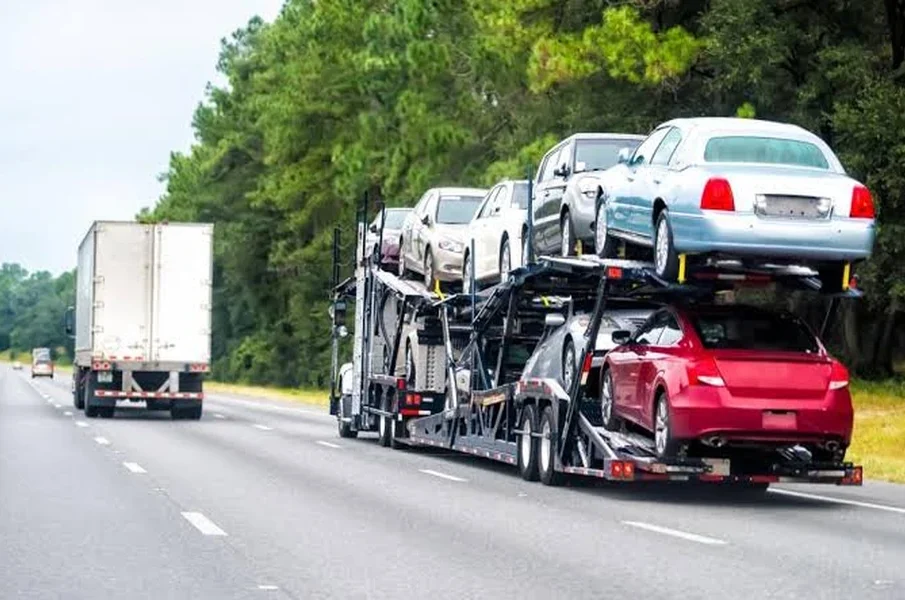
Professional auto transport generally adds little to no meaningful mileage to the vehicle because the carrier-not the customer’s car-travels the long-distance route. While a vehicle may be driven a very short distance during pickup and delivery for positioning, actual mileage added is minimal. Choosing to ship your vehicle establishes professional transport as an efficient way to avoid thousands of road miles and associated wear.
Does Shipping a Car Add Mileage to the Odometer?
When you ship a vehicle on an auto carrier, it is loaded onto a specialized trailer designed to bear the weight and transport the vehicle safely over long distances. It is vital to distinguish between:
- Miles traveled by the carrier truck: The distance recorded on the transport truck’s engine as it navigates highways.
- Miles actually driven by the customer’s vehicle: The minimal physical roll recorded on your personal vehicle’s odometer.
Loading and unloading generally involve only short movements to place the car on or off the ramps. Consequently, your odometer should not increase by the full shipping distance. A common customer concern is, “Will my car arrive with thousands of extra miles?” The short answer is no; however, reputable transport companies avoid promising an absolute zero-mile increase because operational circumstances-such as terminal maneuvering or tight positioning-can vary slightly.
How Many Miles Are Typically Added During Car Shipping?
Mileage During Vehicle Pickup
At the start of the journey, the vehicle may be driven a short distance from the pickup point to the carrier trailer. If the transport truck cannot safely enter a narrow street, the driver may need to reposition the vehicle to a nearby open lot. Pickup mileage is normally minimal compared with the overall shipment distance.
Mileage During Loading and Unloading
Ramp loading and unloading require precision driving up low-angle ramps onto the upper or lower decks of the trailer. In cases involving terminal shipping, limited movement within a yard or secure holding facility may occur. These minor adjustments are solely for logistics and do not equal the route’s total highway mileage.
Mileage At Delivery
Final vehicle positioning occurs when the driver unloads the car near your delivery destination. Limited driving may occur when moving the vehicle off the carrier to the agreed delivery point. Customers are always encouraged to compare the final odometer reading with the pickup documentation.
Does a Car Carrier Drive Your Car Across the Country?
No. Your vehicle normally remains secured on the transport trailer for the vast majority of the journey. The carrier truck accumulates all the cross-country highway miles, sparing your vehicle’s engine and drivetrain.
Multi-vehicle carriers transport several cars on the same trip, maximizing efficiency. When booking, it is critical to clarify the difference between:
- Auto Transport: Loading your car onto a trailer where it sits stationary during transit.
- Drive-Away Vehicle Delivery: Hiring a driver to physically operate your vehicle and drive it to the destination.
Customers should always confirm the exact transportation method when requesting a quote to ensure their vehicle will be carried, not driven.
Car Shipping vs. Driving Your Car: How Many Miles Are Added?
Driving the Car Yourself
Taking the wheel for a cross-country move subjects your vehicle to relentless engine stress and high road mileage. Real-world distances quickly add up:
- 1,000-mile interstate move: Adds approximately 1,000 additional driving miles.
- 2,500-mile move: Adds approximately 2,500 additional driving miles.
- 3,000-mile move: Adds approximately 3,000 additional driving miles.
Actual mileage depends heavily on detours and local driving. Furthermore, driving yourself consumes fuel, wears down tires and brakes, degrades engine fluids, and accelerates general mechanical fatigue.
Shipping the Car on a Carrier
By placing the car on a trailer, long-distance route miles are accumulated entirely by the carrier truck, allowing your vehicle to avoid the majority of road wear. This offers significant benefits for newer vehicles, leased cars with strict mileage caps, luxury models, classic cars, and high-mileage-sensitive vehicles. It also offers unmatched convenience during major relocations.
Quick Comparison
| Transportation Method | Miles Added to Vehicle | Vehicle Wear | Driver Time | Fuel Costs | Convenience |
| Driving Yourself | Full route distance (1,000-3,000+ mi) | High (Tires, brakes, engine) | Days of driving | High out-of-pocket | Low (Stress, fatigue) |
| Shipping on Carrier | Minimal (Typically under 1-5 mi) | None (Engine off) | Zero driver hours | None for vehicle | High (Door-to-door) |
Note: Figures are illustrative rather than guaranteed results.
Why Avoiding Extra Mileage Matters
Every mile added to a car directly impacts its lifespan. Avoiding unnecessary mileage helps prevent:
- Accelerated wear and tear on suspension components.
- Tire tread depletion and uneven alignment wear.
- Brake pad degradation from repetitive highway/city braking.
- Increased frequency of routine oil changes and fluid flushes.
- Steeper depreciation curves.
Preserving low mileage is particularly crucial for new vehicles, leased vehicles subject to overage penalties, collector or classic cars, luxury sports cars, and vehicles with strict warranty limits.
Can Your Odometer Change Even If You Ship Your Car?
Yes, a slight mileage change can occur. Expect minimal adjustments resulting from:
- Loading onto and unloading off the trailer decks.
- Moving the vehicle safely around a pickup or delivery facility yard.
- Positioning the vehicle for proper safety inspections or final delivery drop-off.
It is important to distinguish normal operational movement (a fraction of a mile to a few miles) from unexpected or substantial mileage (tens or hundreds of miles). If the mileage appears significantly higher than expected, customers should address it immediately with the carrier and document the disparity. Always record your odometer reading at both pickup and delivery.
How to Document Your Car’s Mileage Before Shipping
Record the Odometer Reading
- Take a clear, well-lit photograph of the dashboard odometer before handoff.
- Record the exact mileage on your personal shipment record sheet.
- Compare the reading against the initial Bill of Lading (BOL) or inspection report.
Photograph the Vehicle
Take comprehensive photos in clear lighting covering:
- Full exterior body angles.
- Wheels, rims, and tire conditions.
- Windows and glass surfaces.
- Interior cabin and dashboard.
- Any pre-existing scratches, chips, or dents.
Inspect the Vehicle at Delivery
- Compare the current odometer reading directly with the pickup inspection record.
- Conduct a complete physical condition inspection before signing off.
- Document any concerns or mileage discrepancies immediately on the final Bill of Lading.
- Keep all original transportation paperwork and photographic proof in your permanent records.
Does Door-to-Door Car Shipping Add More Miles?
Door-to-door auto transport means the carrier picks up and drops off your vehicle as close to your specified addresses as legally and physically possible. It does not mean your car is driven from origin to destination. The carrier carries the vehicle the entire way.
In some situations, direct door-to-door shipping access isn’t feasible due to narrow residential streets, low-hanging trees or bridges, strict municipal truck restrictions, or dense traffic. When this occurs, the driver will request a meeting at a nearby safe, open location (such as a large parking lot). This operational adjustment involves minimal driving and seamlessly aligns with PreOwned Auto Logistics’ (PAL) standard door-to-door transportation procedures.
What About Open vs. Enclosed Car Shipping?
Open Auto Transport
In open auto transport, your vehicle is loaded onto an open-air, multi-car trailer. Long-distance highway miles are accumulated by the carrier, while your car sits securely on the rack. Open transport is the most popular and cost-effective choice for everyday vehicles.
Enclosed Auto Transport
Enclosed transport places your vehicle inside a fully covered trailer, protecting it from road debris, weather elements, and environmental exposure. It is the preferred choice for classic cars, luxury vehicles, exotic models, and high-value collector cars.
Crucially, the transportation method-whether open or enclosed-does not dictate mileage. In both methods, the carrier truck bears the long-distance route while your vehicle’s engine remains off.
What If Someone Drives My Car Instead of Shipping It?
It is vital to understand the operational difference between auto transport services:
- Professional Auto Transport: Your vehicle is loaded onto a trailer and carried across the country.
- Drive-Away Service: A hired individual physically sits in your driver’s seat and drives your car to the destination.
If you select a drive-away service, your vehicle will accumulate the full route mileage, along with exposure to driver fatigue, unexpected road hazards, high fuel costs, mechanical wear, and unpredictable weather. Always double-check your contract to ensure your vehicle is being transported on a truck, not driven.
How to Check for Unexpected Mileage After Car Delivery
- Compare: Check the delivery odometer reading against your pickup photographs and paperwork.
- Review: Examine the Bill of Lading (BOL) and original inspection reports.
- Inquire: Ask the carrier or transport manager to clarify any unusual mileage differences right away.
- Document: Take clear photographs of the unexpected reading while the carrier is still present.
- Retain Records: Keep every piece of shipping paperwork, digital invoice, and photograph safe.
Remember: A small increase from routine trailer maneuvering is standard, but unexplained substantial mileage should be escalated immediately.
Frequently Asked Questions About Mileage During Car Shipping
Does shipping a car add miles to the odometer?
No. Professional carrier transport ensures the shipping-route mileage is accumulated by the transport truck, not your vehicle’s odometer.
How many miles are added when shipping a car?
Mileage increases are generally limited to short-distance movements required for pickup, ramp loading, deck unloading, and final delivery positioning-typically minimal.
Will my car be driven during transport?
Limited driving only occurs when moving the car onto or off the trailer, or maneuvering around a secure terminal. The vehicle remains stationary on the trailer during long-distance transit.
Does enclosed car shipping add mileage?
No. Enclosed transport operates under the same core principle as open shipping: the carrier truck travels the highway miles while your car stays parked inside the enclosure.
Does door-to-door shipping add mileage?
No. Door-to-door service simply means the carrier brings the transport trailer as close to your home as safely possible. Your vehicle is not driven across country lines.
How can I prove how many miles were on my car before shipping?
Photograph your odometer right before key handoff, ensure the driver records the exact number on the Bill of Lading, and keep a personal copy.
Is it better to ship or drive a car long distance?
Shipping is generally superior if you want to avoid engine wear, tire degradation, costly fuel bills, lost travel time, and excessive mileage-making it ideal for relocations and high-value vehicles.
How PreOwned Auto Logistics Helps Minimize Unnecessary Vehicle Mileage
PreOwned Auto Logistics (PAL) structures its auto transport process to safeguard your vehicle’s condition and keep unnecessary driving to an absolute minimum. Through efficient professional carrier coordination, precise pickup and delivery planning, detailed initial vehicle documentation, and flexible open or enclosed transport options, PAL prioritizes vehicle safety at every step.
By maintaining clear communication throughout the shipment lifecycle, PAL minimizes handling while delivering peace of mind. If you want to protect your vehicle from thousands of unnecessary driving miles during your next move, request a free transport quote from PreOwned Auto Logistics today.
Final Takeaway: Shipping Usually Saves Your Car From Thousands of Driving Miles
When moving long distances, professional vehicle shipping ensures that the carrier truck handles the highway miles while your vehicle experiences only minor handling movements. This process protects your odometer from thousands of added miles, shields your car from accelerated wear and tear, and saves you from the stress of a long cross-country drive. Always document your odometer reading before and after transport to maintain complete peace of mind throughout your relocation.