Why Is Fire Safety Engineering Becoming Essential for Singapore’s Buildings?
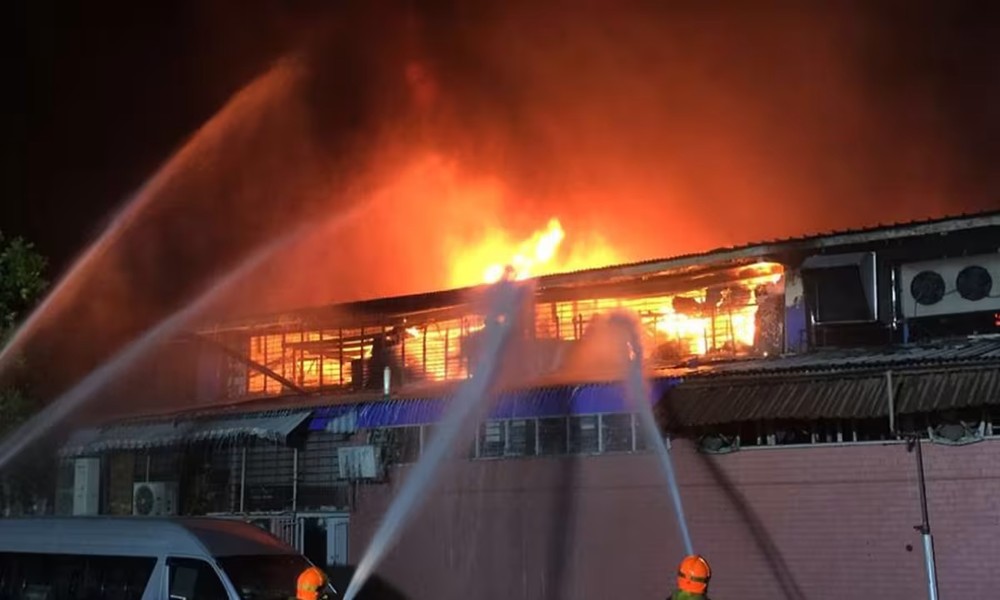
What Exactly Is Fire Safety Engineering and Why Should You Care?
In the bustling urban landscape of Singapore, where buildings reach impressive heights and public spaces are densely populated, fire safety is not just a regulatory checkbox-it’s a critical element that safeguards lives and property. But what does fire safety really entail beyond the obvious smoke alarms and sprinklers? This is where fire safety engineering comes into play. It’s a specialised field that combines science, technology, and design to predict, prevent, and manage fire risks effectively within buildings.
Unlike traditional prescriptive codes, fire safety engineering takes a holistic and performance-based approach, considering the unique characteristics of each building and its occupants. This approach is especially important in Singapore’s complex urban environment, where high-rise buildings and mixed-use developments present unique challenges. Understanding what fire safety engineering involves and why it matters can help developers, architects, and even occupants appreciate the rigorous processes behind creating safe environments.
How Do Fire Safety Design Principles Influence Building Safety?
If you’re wondering how architects and engineers ensure that buildings comply with safety standards while maintaining aesthetic and functional appeal, the answer lies in fire safety design principles. These principles guide the integration of fire prevention, detection, containment, and evacuation strategies into the design phase of any construction project.
In Singapore, where space is premium and buildings are becoming increasingly complex, applying these principles is crucial. They involve assessing fire hazards, planning for safe evacuation routes, selecting appropriate materials that resist fire, and installing systems that detect and suppress fires efficiently. The design principles also emphasize the importance of performance-based solutions, which allow flexibility in meeting safety goals beyond rigid prescriptive codes. This approach caters to innovative architectural designs without compromising safety.
Why Is a Performance-Based Approach Gaining Traction in Singapore?
Singapore’s urban planners and regulatory bodies are increasingly recognising the benefits of adopting a performance-based approach to fire safety. Rather than following a one-size-fits-all checklist, this method assesses how a building will perform under different fire scenarios through advanced simulations and engineering analysis.
This shift is vital for Singapore’s future-ready developments, where traditional fire safety measures might not be sufficient or feasible. For example, in mixed-use developments or iconic skyscrapers, customised fire safety solutions ensure occupants have safe evacuation routes and that fire spread is controlled effectively. This flexibility also allows for sustainable building materials and innovative designs, which are often restricted by conventional prescriptive codes.
The expertise required to successfully implement a performance-based approach means collaborating with experienced consultants who understand both local regulations and state-of-the-art engineering methods. Engaging specialists proficient in fire safety engineering and fire safety design principles ensures that buildings not only comply with the Singapore Civil Defence Force’s regulations but also elevate occupant safety and building resilience.
What Should Developers and Building Owners Look for in Fire Safety Consultants?
Choosing the right fire safety consultant is crucial in ensuring that your project meets the highest standards of safety and compliance. In Singapore’s competitive property market, a consultant’s expertise can make a significant difference in both design outcomes and regulatory approval processes.
Look for consultants who bring a wealth of experience in local fire safety requirements, as well as technical proficiency in advanced modelling and testing. Their ability to apply fire safety engineering effectively means they can tailor solutions that fit the unique needs of your building while anticipating future challenges.
Additionally, consultants who promote a collaborative approach-working closely with architects, developers, and regulatory authorities-tend to produce the most comprehensive and practical fire safety designs. This collaboration ensures that fire safety is integrated seamlessly throughout the project lifecycle, from concept to completion.
How Does Fire Safety Impact Everyday Life in Singapore?
While fire safety measures may seem like invisible safeguards, their impact on daily life is profound. In a city as densely populated as Singapore, where millions live and work in close proximity, a fire outbreak can have devastating consequences if not managed properly.
The rigorous application of fire safety design principles and engineering not only protects lives but also reduces economic losses, prevents business disruptions, and maintains public confidence in the built environment. From residential condominiums to commercial hubs and public spaces, these integrated safety strategies ensure that evacuation during emergencies is efficient and that fire damage is minimised.
Moreover, Singapore’s commitment to continuous innovation in fire safety reflects its broader dedication to sustainability and resilience. Fire safety engineering supports these national goals by promoting safer, smarter buildings that withstand emergencies better and recover faster.
Why Should You Consider Fire Safety Engineering for Your Next Project?
Whether you’re a developer aiming to create landmark buildings or a building owner prioritising occupant safety, investing in comprehensive fire safety engineering is a wise decision. It offers more than compliance; it provides assurance that your building is prepared for emergencies in ways that traditional methods may not address.
By adopting fire safety engineering and adhering to sound fire safety design principles, you’re not only meeting Singapore’s stringent regulations but also setting a benchmark for safety and innovation. This approach fosters trust among stakeholders, mitigates risks, and ultimately contributes to a safer, more resilient urban environment.
In an era where safety is paramount and design possibilities are limitless, fire safety engineering emerges as an indispensable pillar in Singapore’s built environment-one that protects lives, preserves assets, and supports sustainable development.