7 Things to Check Before Outsourcing Metal Fabrication in Singapore
Key Takeaways
- Material traceability ensures consistent quality and compliance with specifications.
- Facility capability must match your production scale and technical requirements.
- Integrated finishing services reduce delays and simplify supply chain coordination.
Introduction
Choosing a partner for metal fabrication in Singapore requires careful evaluation, especially as production standards and timelines tighten across industries. Many businesses turn to outsourcing to access specialised equipment and technical expertise, yet the decision introduces dependencies that can affect quality, delivery, and cost control. When expectations do not align with actual capabilities, delays and rework can disrupt entire supply chains. Reviewing key operational and technical factors before committing to a vendor helps ensure that outsourcing supports efficiency rather than introducing new risks.
1. Certification Standards and Compliance
Certifications provide a baseline for assessing whether a fabrication partner meets recognised quality and safety standards. ISO frameworks indicate structured processes, while industry-specific certifications reflect familiarity with specialised requirements. These credentials help ensure that production aligns with regulatory expectations and reduces the likelihood of non-compliant outputs. When a vendor lacks clear certification, it becomes harder to verify whether their processes meet the standards required for consistent production.
2. Range of Machinery and Technical Capability
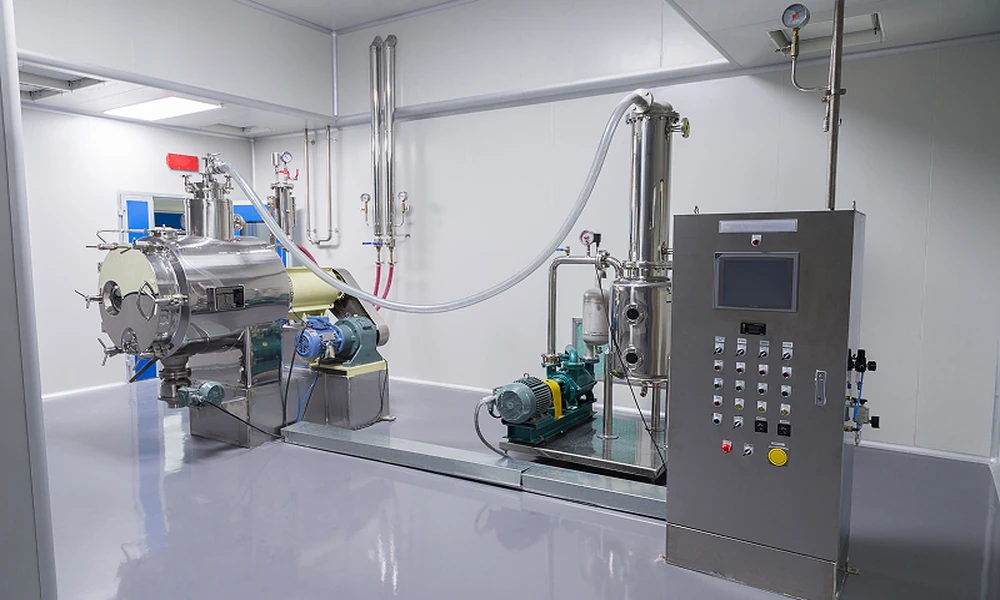
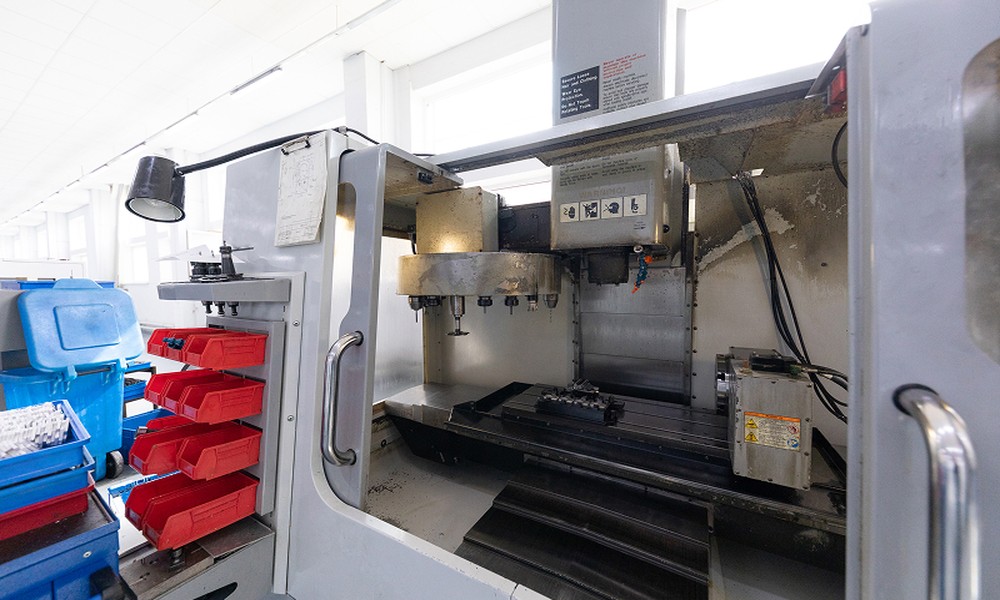
A fabrication partner’s equipment determines the complexity and precision of the work they can handle. Facilities equipped with advanced machinery can manage a wider range of specifications, which supports both simple and complex projects. When machinery options remain limited, production may require additional outsourcing, which introduces delays and coordination challenges. Assessing technical capability ensures that the vendor can meet project requirements without relying on external processes.
3. Design for Manufacturing Support
Metal manufacturers in Singapore often benefit from early collaboration between design and production teams. Design adjustments often improve production efficiency without altering the intended function of a component. Vendors that offer design for manufacturing support review technical drawings and suggest modifications that reduce waste or simplify fabrication. This collaborative approach helps prevent issues that may arise during production, particularly when designs have not been optimised for manufacturing processes. Early input reduces the need for revisions later in the project.
4. Lead Time Transparency and Production Capacity
Clear communication around lead times allows businesses to plan production schedules more effectively. A reliable partner provides realistic timelines based on current workload and machine availability. Without this transparency, projects may face unexpected delays that affect downstream operations. Understanding how capacity is managed ensures that the vendor can handle both current and future production demands without compromising delivery commitments.
5. Welding Standards and Skill Certification
Welding quality directly affects the structural integrity of fabricated components. Certified welders follow established procedures that ensure consistent results, particularly for applications involving stress or pressure. When certification is absent, it becomes difficult to confirm whether welds meet required strength and durability standards. Verifying skill levels helps maintain confidence in the final product, especially in projects where safety remains a priority.
6. Quality Control Systems and Measurement Tools
Accurate measurement ensures that fabricated components match design specifications. Facilities that use advanced inspection tools can verify dimensions and tolerances with greater precision. This reduces the risk of defects and ensures that components fit correctly within larger assemblies. A strong quality control system also supports traceability, which becomes important when addressing issues or maintaining compliance with industry requirements.
7. Financial Stability and Long-Term Scalability
Outsourcing relationships often extend beyond a single project, which makes financial stability an important consideration. A vendor with sufficient resources can maintain operations, invest in materials, and scale production when demand increases. When financial capacity remains uncertain, projects may face interruptions that affect supply continuity. Evaluating stability ensures that the partnership can support long-term production needs.
Conclusion
Outsourcing metal fabrication introduces opportunities to improve efficiency, yet it also requires careful selection of partners who can meet technical and operational expectations. When businesses evaluate these factors in detail, they reduce the likelihood of disruptions and create a more reliable production process. A well-matched partner supports consistency, quality, and long-term planning across manufacturing operations.
Contact Disk Precision Group – Singapore to assess your metal fabrication in Singapore requirements and secure a partner that meets your production standards.