7 Things to Check Before Sourcing Medical CNC Machining Services in Thailand
Key Takeaways
- ISO 13485 certification ensures compliance with medical manufacturing standards.
- Material traceability supports safety and consistency in medical components.
- Advanced machining and inspection tools improve accuracy and repeatability.
Introduction
CNC machining in Thailand has become a practical option for companies sourcing high-precision medical components, especially as supply chains expand across Southeast Asia. Many procurement teams searching for “CNC services near me” now consider suppliers offering CNC services in Thailand for cost efficiency and technical capability. Yet medical CNC machining services demand far more than competitive pricing. Each component must meet strict quality, safety, and regulatory standards, which means the evaluation process needs to go beyond basic capability checks. Understanding what to verify before engaging a supplier helps reduce risk and ensures that production aligns with medical requirements from the outset.
1. ISO 13485 Certification and Quality Systems
A supplier’s quality management system forms the foundation of reliable medical manufacturing. ISO 13485 certification confirms that the facility follows structured processes designed for medical devices, including risk management and documentation control. Without this certification, it becomes difficult to ensure that production meets required standards. Companies exploring CNC services near me or evaluating CNC services in Thailand should review how the system operates in practice, rather than relying solely on certification status, as this provides additional assurance that procedures are consistently applied.
2. Cleanroom Post-Processing Capabilities
Machining processes generate residue that must be removed before components enter medical use. Suppliers that provide cleanroom post-processing ensure that parts are properly cleaned and prepared for sterilisation. This step becomes particularly important for components that require strict contamination control. Verifying whether the facility offers controlled environments for final handling helps confirm that the transition from production to packaging meets expected standards. Businesses comparing CNC services near me with offshore sourcing options should also assess whether CNC services in Thailand include these specialised post-processing capabilities.
3. Material Traceability and Verification
Medical components rely on materials that meet specific performance and safety requirements. Suppliers should provide documentation that confirms the origin and composition of each batch used in production. This traceability supports accountability and ensures that materials meet recognised specifications. When suppliers maintain clear records, procurement teams can verify consistency across multiple production runs and address any issues that arise. This level of visibility remains essential whether businesses work with local providers found through CNC services near me searches or established CNC services in Thailand suppliers.
4. Advanced Multi-Axis Machining Capability
Complex medical components often require precise geometries that standard machining setups cannot achieve efficiently, which is why CNC machining in Thailand has become a relevant consideration for businesses sourcing advanced capabilities. Facilities equipped with multi-axis machines can produce intricate shapes in fewer setups, which improves accuracy and reduces variation. Evaluating machining capability helps determine whether the supplier can handle the technical requirements of specialised components without compromising quality. Procurement teams researching CNC services near me frequently expand their evaluation to include CNC services in Thailand when advanced machining support becomes necessary.
5. Process Validation and Documentation
Consistent output depends on validated processes that operate within defined parameters. Suppliers should demonstrate how they qualify equipment and procedures to ensure repeatable results. Reviewing validation documentation provides insight into how production maintains stability over time. This level of control becomes essential when manufacturing components that must meet strict tolerances. Businesses sourcing through CNC services near me platforms or directly engaging CNC services in Thailand providers should prioritise suppliers with comprehensive validation practices.
6. Measurement and Inspection Systems
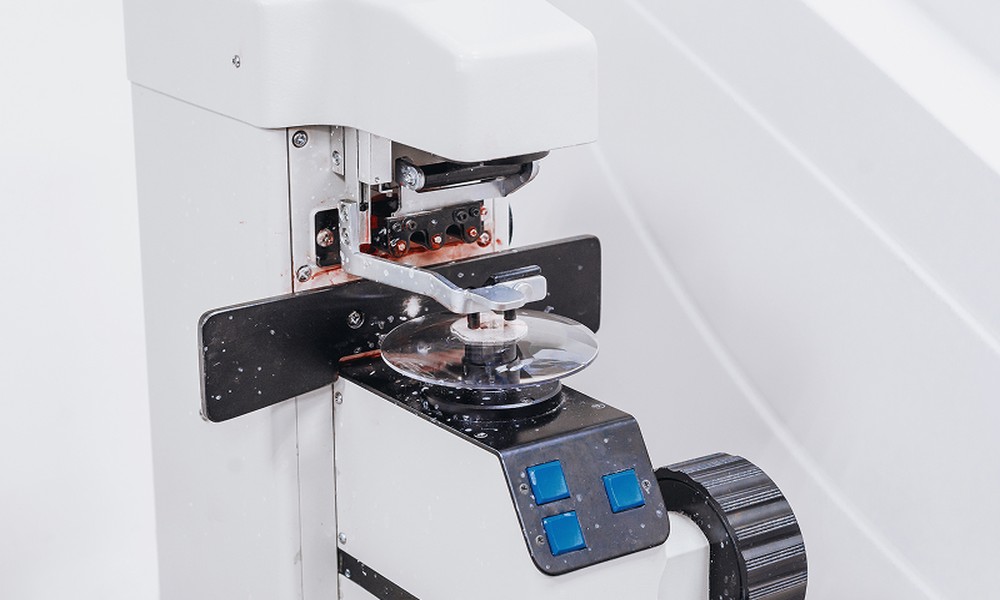
Precision in medical manufacturing requires reliable measurement tools that confirm each component meets design specifications. Suppliers should use advanced inspection systems to verify dimensions and tolerances throughout production. These systems support quality control by identifying deviations before parts move to the next stage. Understanding how inspection is integrated into the workflow helps ensure that accuracy remains consistent. Companies comparing CNC services near me with regional manufacturing partners should confirm that CNC services in Thailand suppliers maintain inspection systems aligned with medical standards.
7. Technical Communication and Coordination
Clear communication supports every stage of the sourcing process, from design review to production updates. Suppliers must be able to interpret technical drawings and provide feedback that aligns with manufacturing capabilities. When communication remains consistent, it reduces the likelihood of errors and improves overall efficiency. Establishing this clarity early helps maintain alignment between design intent and final output. This remains important whether businesses engage suppliers through CNC services near me searches or long-term partnerships with CNC services in Thailand manufacturers.
Conclusion
Sourcing medical components requires a structured approach that evaluates both technical capability and operational reliability. Each factor contributes to how well a supplier can meet the demands of medical manufacturing. By focusing on these checks, businesses can build a more stable sourcing strategy that supports long-term quality and consistency while assessing CNC services near me and trusted CNC services in Thailand providers.
Contact Disk Precision Group – Thailand to conduct a certified evaluation of medical CNC machining services in Thailand for your supply chain.