Apple Products for Employee Rewards & Recognition Programs
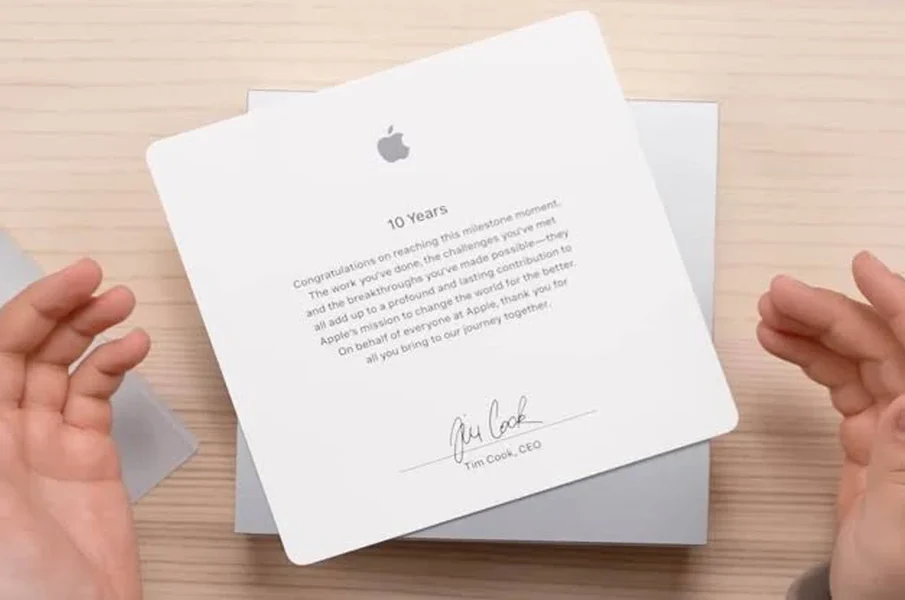
Gift cards and generic trophies rarely get talked about at the coffee machine. A new iPad does. That’s part of why HR teams researching Apple Enterprise Solutions have started weaving premium devices into recognition programs instead of the usual points-based catalogues. This piece looks at how that shift plays out in practice, and what to weigh before building a device-based reward tier.
Recognition Is Moving Past Points and Certificates
Traditional reward catalogues lean on gift cards, plaques, and small merchandise. Recognition industry research on top-performing companies shows firms like Google and Zappos lean heavily on peer-to-peer bonuses and creative perks rather than generic certificates, precisely because employees remember experiences and tangible items far longer than a line on a paycheck.
Even companies known for tech culture treat hardware as part of the reward mix, not just a work tool. That framing matters for HR teams trying to justify a bigger spend on a smaller number of standout employees rather than spreading a modest budget thin across everyone.
A premium device sits somewhere between the two. It’s tangible, useful well beyond the office, and carries enough prestige that a milestone award feels like one.
Where iPad Business Solutions Fit Into a Rewards Tier
For mid-level recognition, iPad Business Solutions offer a practical entry point. A tablet works for a fifth anniversary, a project completion bonus, or a top-performer quarterly award without stretching a rewards budget the way a full laptop would.
Configured through a business account, an iPad can also double as a light work tool once the celebration wears off, so the reward doesn’t sit in a drawer. Pairing the device with a case or a small accessory bundle at the point of gifting tends to lift the perceived value without adding much cost.
Mac for Business as the Flagship Reward
Reserve the bigger gesture for the moments that deserve it. Mac for Business options work well as a milestone reward for tenure anniversaries, exceptional annual performance, or retention gestures for employees a company truly wants to keep.
Apple’s own careers page describes internal perks built around meaningful benefits and equity participation for staff, a reminder that big tech firms already treat premium hardware and ownership stakes as tools for loyalty, not just productivity. Extending a similar logic to a company’s own top performers is a natural next step.
How These Programs Get Structured
Most organisations don’t buy devices one at a time for this. Employee purchase and rewards programs typically work through a corporate account with a reseller, where discounted pricing and instalment options are pre-negotiated. HR or admin teams then allocate credits or select devices for specific award tiers.
This structure keeps procurement simple. A single account handles bulk pricing, invoicing, and delivery, rather than dozens of individual purchases scattered across different stores and price points.
What This Means for the Budget
A well-run rewards program built on Apple Enterprise Solutions doesn’t need to break the bank. Corporate purchase programs are often priced so there’s minimal direct cost to the organisation itself, since the savings usually come from vendor-negotiated discounts and instalment options rather than a subsidy the company has to fund outright.
That makes it easier to justify to finance. The company isn’t absorbing a markup, and the employee still gets meaningful savings or a full device depending on how the program is structured. Some setups even let employees top up the difference themselves to move up a tier, which spreads cost further without touching the reward budget.
A Few Things to Sort Out Before Launch
Tax treatment differs by country and by how a device is classified, so payroll and finance should weigh in early. A gifted device may count as a taxable benefit in some jurisdictions, while a discounted purchase through an employee program usually doesn’t.
Clarity around eligibility matters too. Decide upfront whether the reward is tied to tenure, performance rating, or a specific project outcome, and communicate that clearly so the program reads as fair rather than arbitrary.
Finally, think about device management. If a Mac or iPad is being gifted outright to an employee for personal use, it typically sits outside the corporate device fleet and its management profile. If it stays enrolled for work, the usual enterprise mobility rules should apply.
Before Rolling Out a Device-Based Rewards Tier
- Decide which award levels map to which device, and keep the ladder simple.
- Confirm tax treatment with finance before promising anything to employees.
- Set clear, documented eligibility criteria for each tier.
- Choose a corporate purchase channel that handles bulk pricing and delivery in one place.
Conclusion
Recognition programs work best when the reward matches the moment. A small tablet for a quarterly win and a full laptop for a five-year milestone send a clearer signal than a stack of gift cards ever could.
Built correctly, a device-based tier costs little more than a traditional catalogue program, while giving employees something they’ll use long after the recognition moment has passed. That’s a better return than most points systems ever manage.