Smart Planning Before Taking A Bike Loan
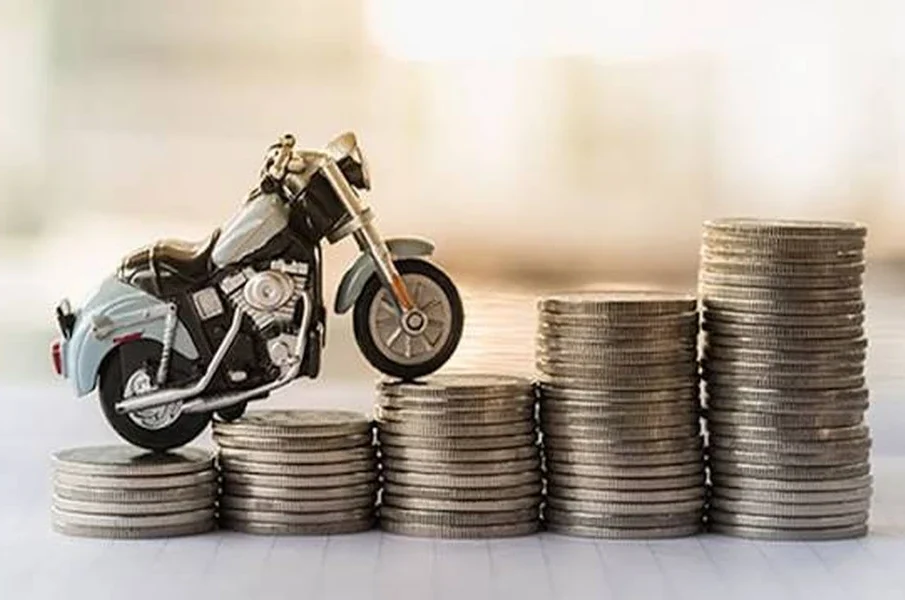
A Bike loan can help finance the purchase of a two-wheeler when paying the full amount upfront is not practical. The loan can spread the cost across monthly repayments, but borrowers should look beyond the showroom price before deciding how much to finance.
The total cost of owning a bike can include the down payment, loan interest, insurance, registration, servicing, fuel and maintenance. Borrowers should therefore evaluate the complete monthly impact instead of focusing only on the EMI shown during purchase.
A suitable financing plan should match the bike’s cost, the borrower’s income and the amount that can comfortably be repaid without affecting essential household expenses.
What Will The Bike Actually Cost?
Before deciding how much to borrow, start with the complete purchase cost rather than the ex-showroom price alone.
The on-road amount may include registration, road tax, insurance, accessories, handling-related charges where applicable, and other eligible costs. Asking the dealer or lender for a detailed breakup can help establish the actual amount that needs to be funded.
Optional items should also be reviewed separately. Accessories, decorative upgrades, or service packages may increase the amount financed. Borrowing for every add-on means paying interest on expenses that may not be essential.
How Much Should You Pay Upfront?
Once the total purchase cost is clear, the next decision is how much to contribute from your own savings.
A larger down payment reduces the principal borrowed, which can lower the EMI, total interest, and outstanding balance. However, putting all available savings into the purchase can leave little money for emergencies or regular expenses.
The objective should be to find a down payment that reduces borrowing while preserving a reasonable financial reserve.
What Does The Loan Cost Over Its Full Tenure?
The EMI shows the monthly repayment, but it does not represent the complete borrowing cost.
Look beyond the monthly figure and review the relationship between:
Loan amount → Interest rate → Tenure → Number of instalments → Total interest → Total repayment
A longer tenure can make the monthly instalment easier to manage, but the extended repayment period may result in more interest being paid overall. A suitable tenure should therefore consider both monthly affordability and the total cost of borrowing.
Which Interest Rate Will Actually Apply?
The interest rate advertised by a lender may not necessarily be the rate offered to every applicant. The final rate can depend on factors such as credit history, income, employment type, loan amount, tenure, and lender-specific policies.
Before signing the agreement, verify the sanctioned terms rather than relying only on promotional information.
Check the final document for:
- Interest rate
- EMI
- Loan tenure
- Processing fee
- First repayment date
- Total payable amount
The sanctioned loan agreement should be used as the reference for the final terms.
What Other Charges Should Be Included?
Interest is only one component of the financing cost. Depending on the lender and loan terms, additional charges may apply.
These can include processing, documentation, late-payment, foreclosure, prepayment, and applicable tax-related charges.
Including these costs when comparing financing options gives a more complete view of what the loan may cost.
Can The Monthly Budget Support The Bike?
The final decision should account for more than the EMI. A bike creates recurring ownership expenses after the loan is approved.
Before committing to a repayment amount, consider existing monthly obligations such as rent, food, utilities, education expenses, insurance, savings, and other EMIs.
Then add the expected cost of owning the bike, including:
- Fuel
- Servicing
- Repairs
- Insurance renewal
- Tyres
- Parking
The EMI should fit alongside these expenses rather than being considered separately.
Make The Purchase Fit The Full Budget
A bike loan becomes easier to assess when the purchase price, down payment, financing cost, and running expenses are considered together.
Instead of choosing a bike based only on its price or selecting a loan based only on its EMI, borrowers can evaluate the complete financial commitment from purchase through ongoing ownership. This provides a clearer basis for deciding how much to finance and what repayment level is manageable.
Digital Applications Can Simplify Access
An instant personal loan app may make it easier to explore digital borrowing options, upload documents and manage loan-related information.
However, general-purpose unsecured borrowing and vehicle-specific finance can have different cost structures and eligibility conditions.
Compare Product Type, Not Just Speed
When financing a bike, borrowers should compare:
- Purpose-specific vehicle finance
- General borrowing options
- Interest rates
- Fees
- Tenure
- Security requirements
- Total repayment
A faster application does not automatically mean a lower-cost option.
Check Whether The Bike Is Hypothecated
When a vehicle is financed, the lender’s interest may be recorded against the vehicle according to the applicable process.
Borrowers should understand:
- Registration details
- Hypothecation status
- Loan closure process
- Required documentation after repayment
Loan Closure Does Not Always End With The Final EMI
After the loan is fully repaid, additional documentation may be needed to update vehicle records.
Borrowers should ask what documents will be issued after closure.
Keep Insurance Active
Insurance is an important part of vehicle ownership and may also be relevant to financing conditions.
Borrowers should understand:
- Mandatory coverage requirements
- Policy renewal dates
- Optional covers
- Premium costs
Add Renewal Costs To Annual Planning
The first-year insurance amount may be included in the purchase package, but future renewals remain an ongoing expense.
These costs should be included in the overall ownership budget.
Consider The Bike’s Expected Use
The financial value of the purchase depends partly on how often the bike will be used.
For example, a two-wheeler used for daily commuting may serve a different practical purpose from one purchased mainly for occasional use.
Estimate Monthly Usage
Consider:
- Daily travel distance
- Fuel consumption
- Public transport alternatives
- Parking availability
- Maintenance requirements
A purchase should make sense beyond the availability of finance.
Review Your Credit Position Before Applying
A lender may consider credit history while evaluating a bike finance application.
Borrowers can review:
- Existing repayments
- Credit card balances
- Past delays
- Recent applications
- Outstanding debt
Avoid Excessive Applications
Submitting several applications at once may lead to repeated credit checks depending on the lender and process.
Comparing basic terms first can reduce unnecessary application activity.
Keep Documents Ready
Depending on the lender, applicants may need documents relating to:
- Identity
- Address
- Income
- Employment
- Banking
- Vehicle quotation
Accurate documents can help the verification process move more smoothly.
Check Prepayment Options
Borrowers may later want to reduce the outstanding balance before the scheduled end of the loan.
Before accepting the finance offer, review:
- Partial prepayment rules
- Foreclosure conditions
- Lock-in periods
- Applicable fees
- Minimum payment requirements
Flexible repayment terms can become useful if income improves.
Avoid Extending The Loan Beyond The Bike’s Practical Value
A very long repayment period may reduce the EMI, but borrowers should consider how the loan tenure compares with the vehicle’s expected use and condition.
The borrower may still be repaying the loan while repair and maintenance costs are increasing.
Keep Tenure Reasonable
The loan period should ideally reflect:
- Vehicle value
- Expected usage
- Monthly affordability
- Total interest
This can help avoid unnecessary long-term repayment.
Watch For Dealership Bundling
A dealership may present a combined offer including finance, insurance, accessories and service packages.
This can be convenient, but borrowers should ask for each component separately.
Compare Each Cost Individually
Review:
- Bike price
- Loan cost
- Insurance premium
- Accessories
- Service plans
- Registration charges
Bundling can make the total easier to pay initially but harder to compare accurately.
Maintain A Repayment Record
After disbursal, borrowers should track:
- EMI dates
- Amount paid
- Outstanding balance
- Remaining tenure
- Loan statements
Keeping records can help identify any unexpected charge or repayment issue early.
Conclusion
A Bike loan can make a two-wheeler purchase easier to manage by spreading the cost across regular repayments, but the financing decision should consider much more than the monthly EMI.
Borrowers should compare the on-road price, down payment, interest, tenure, ownership costs and total repayment before proceeding. A Personal Loan may also provide access to unsecured funds, but its cost, eligibility and repayment structure can differ from vehicle-specific finance and should be assessed separately.
The most practical financing plan is one that keeps both EMI and ongoing bike expenses comfortably within the monthly budget.
FAQs
1. Should I Finance The Entire On-Road Price Of A Bike?
Not necessarily. A reasonable down payment can reduce the financed amount and total interest, provided enough savings remain for emergencies.
2. Why Should Fuel And Servicing Be Included In Loan Planning?
The EMI is only one part of bike ownership. Fuel, servicing, insurance and repairs can significantly affect the monthly and annual cost.
3. Can A Dealer’s Lowest EMI Offer Be More Expensive Overall?
Yes. A lower EMI may result from a longer tenure, which can increase the total interest paid over the loan period.
4. What Documents Should I Keep After Closing A Bike Loan?
Keep the closure confirmation, repayment records and any documents needed to update the vehicle’s hypothecation or registration status.
5. Does The Bike’s Expected Usage Matter When Taking Finance?
Yes. Daily usage, commuting needs, fuel consumption and maintenance requirements can help determine whether the purchase and financing cost are practical.