How Small Farms Can Build Sustainable Food Businesses
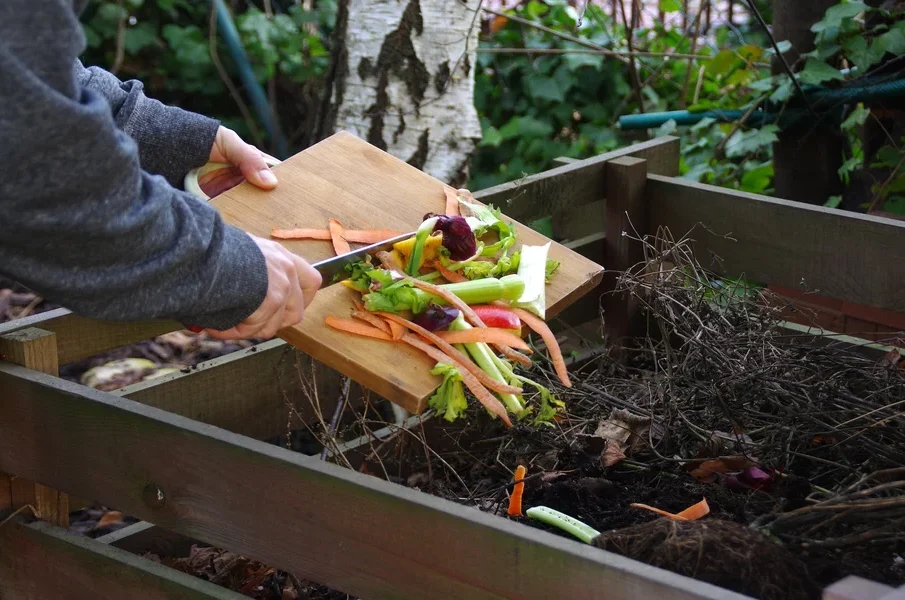
Small farms often compete against much larger operations on price alone, a contest they are rarely positioned to win. Building a sustainable food business instead means finding ways to compete on quality, relationships, and differentiation while keeping costs and environmental impact under control. For many small producers, sustainability is not just an environmental goal but a practical survival strategy that ties financial stability to responsible land and resource management. The farms that succeed tend to combine several of these approaches at once rather than relying on any single strategy.
Navigating the unique economic and operational challenges of small-scale farming requires innovative thinking and a clear focus on differentiation, enabling producers to thrive even when competing against much larger industrial operations.
Diversifying Products and Revenue Streams
Relying on a single crop or product leaves a small farm exposed to price swings, weather events, and shifting demand. Growing a mix of crops, raising livestock alongside produce, or adding value-added products such as jams, cheeses, or baked goods spreads risk across multiple income sources. Diversification also allows a farm to sell throughout more of the year rather than concentrating all income into one harvest window, which helps smooth out cash flow between seasons.
Building Direct Relationships With Customers
Farmers’ markets, community-supported agriculture subscriptions, and farm-to-table partnerships with local restaurants let small producers capture more of the final sale price than they would through wholesale channels. These direct relationships also build customer loyalty and provide valuable feedback on what shoppers actually want. Investing time in explaining how food is grown, whether through social media or on-farm visits, helps customers understand and value the extra care small farms put into their products, which in turn supports the higher prices these products often command.
Practicing Resource-Efficient Farming
Sustainable practices such as crop rotation, cover cropping, and integrated pest management protect soil health and reduce dependence on costly inputs over time. These methods often lower long-term expenses even when they require more planning upfront. Efficient use of water, energy, and labour also strengthens a small farm’s bottom line, since resource waste directly eats into already thin margins, and small operational adjustments can compound into meaningful savings across a season.
Seeking Support Through Cooperatives and Programs
Small farms do not have to build every capability alone. Agricultural cooperatives allow producers to share equipment, negotiate better prices on supplies, and access markets that would be difficult to reach individually. Government grants, conservation incentives, and extension services can also offset the cost of adopting sustainable practices or expanding into new products, making these resources worth researching before committing significant capital.
Conclusion
Turning a small farm into a lasting, sustainable food business requires more than good growing practices. It calls for diversified income, direct customer relationships, resource-efficient operations, and a willingness to lean on cooperative and public support where available. Farms that combine these elements position themselves not just to survive, but to build a resilient business capable of weathering market and environmental uncertainty over the long term, season after season.