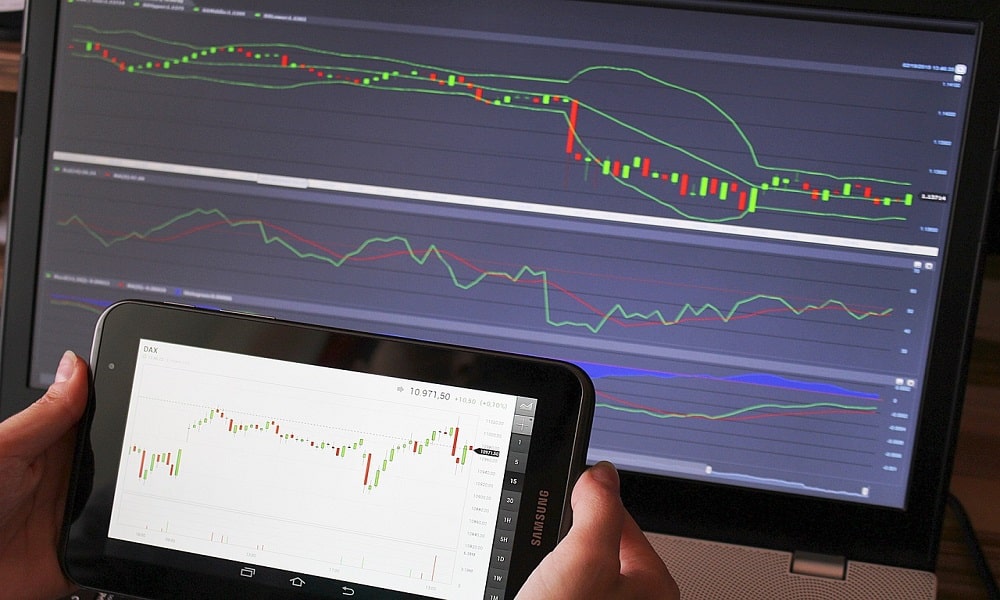
How Investors Use Online Platforms to Trade Shares

Introduction
The way investors participate in financial markets has changed significantly over the last decade. Physical paperwork, phone-based order placement, and manual tracking have largely been replaced by digital systems that allow seamless market access. Online platforms now serve as the primary channel through which investors buy, sell, and monitor shares.
Understanding how these platforms function and how investors use them effectively is essential for anyone looking to participate in modern equity markets with clarity and confidence.
Evolution of Digital Share Trading
Share trading has moved from physical trading floors and broker-assisted transactions to fully digital environments. This transition has reduced delays, improved transparency, and lowered participation barriers. Investors now interact directly with exchanges through regulated platforms that provide real-time data and execution.
The shift to digital trading has also improved record-keeping and settlement efficiency, making the overall investment process more reliable and accessible.
How Online Trading Platforms Work
Online trading platforms act as intermediaries between investors and stock exchanges. When an investor places a buy or sell order, the platform routes it electronically to the exchange, where it is matched with a counterparty. Once executed, the trade moves to settlement, and ownership is updated accordingly.
These platforms display live prices, order status, and portfolio details, allowing investors to track activity without relying on external sources.
Research and Decision-Making Support
Online platforms provide access to company information, historical price data, and market trends. Investors use these resources to analyze potential opportunities and assess risk before placing trades. While the depth of analysis varies by platform, basic data access supports informed decision-making.
Investors who combine platform data with independent research tend to develop more structured and consistent trading approaches.
Role of Online Trading in Market Accessibility
Online Trading has significantly improved market accessibility by allowing investors to trade shares from any location with internet access. This convenience has increased participation across different regions and income groups, contributing to broader market inclusion.
By removing physical constraints, online trading enables investors to respond quickly to market developments and manage portfolios more efficiently.
Order Placement and Execution Control
Investors can choose from different order types, such as market orders and limit orders, depending on their objectives. This flexibility allows for greater control over execution price and timing.
Understanding how and when to use different order types helps investors manage risk and align trades with strategy rather than reacting impulsively to market movements.
Portfolio Monitoring and Management
Online platforms consolidate portfolio information into a single interface. Investors can view holdings, unrealized gains or losses, and transaction history at any time. This visibility supports regular review and better alignment with financial goals.
Monitoring performance over longer time frames helps investors avoid overreacting to short-term fluctuations and focus on long-term outcomes.
Risk Awareness and Responsible Usage
While online access simplifies trading, it also increases the risk of overtrading. Easy execution can encourage frequent activity without adequate analysis. Investors should establish clear rules and limits to maintain discipline.
Risk management practices such as diversification, position sizing, and periodic review remain essential regardless of platform convenience.
Security and Regulatory Compliance
Online trading platforms operate under regulatory oversight to ensure fair practices and investor protection. Security features such as secure authentication and data encryption protect investor information and transaction integrity.
Investors should verify platform compliance and follow recommended security practices to reduce operational risk.
Conclusion
Online platforms have reshaped how investors trade shares by improving accessibility, transparency, and efficiency. When used responsibly, these platforms support informed decision-making and structured portfolio management. Understanding platform mechanics and maintaining discipline are key to sustainable market participation.
With reliable systems and thoughtful usage, investors can confidently manage transactions using a secure Trade App that aligns with their investment goals.
FAQs
1. How do investors trade shares through online platforms?
Investors place buy or sell orders electronically through a registered platform, which routes the order to the stock exchange for execution.
2. What information do online trading platforms provide?
They offer real-time prices, order status updates, portfolio summaries, transaction history, and basic company data for analysis.
3. Can investors control trade execution online?
Yes. Investors can use different order types such as market orders and limit orders to manage price and timing.
4. Is online share trading secure?
Reputable platforms follow regulatory guidelines and use encryption and secure authentication to protect user data and transactions.
5. What risks should investors be aware of when trading online?
Easy access may lead to overtrading or impulsive decisions. Maintaining discipline and following a structured investment strategy is essential.