Choosing The Right Technical Aerosols For Diverse Industrial Maintenance Needs
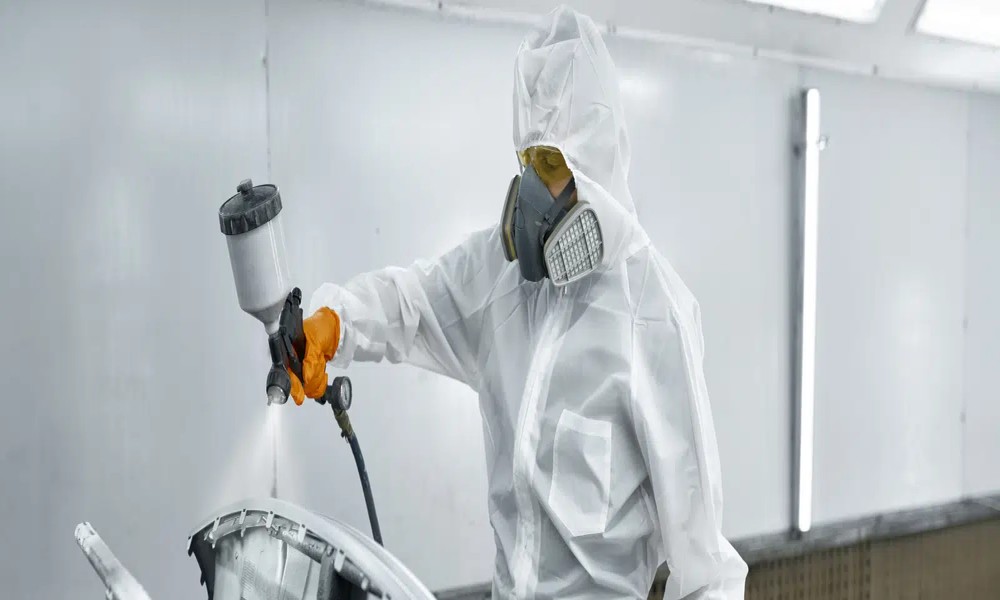
Reliable upkeep work depends on selecting suitable materials that support smooth operation. Aerosols play a strong role in helping teams handle repair, cleaning, and protection tasks with ease. The right option supports safe use and steady results across different tasks without adding extra effort.
A clear understanding of product types improves selection and avoids waste during regular work. Proper planning helps maintain equipment life while reducing unexpected stops. This approach supports better results in daily upkeep tasks using technical aerosols.
Understanding Product Composition
Each product contains a mix of active agents that serve different needs. Some focus on cleaning while others help with lubrication or surface protection. Knowing what each formula offers makes selection simple and avoids a mismatch during use. A clear look at product labels supports safe handling and better results during daily upkeep tasks.
Matching Application Requirements
Every task requires a specific approach based on surface type and usage level. Some products suit light cleaning while others support heavy-duty repair work. Matching the right option ensures steady output without causing harm to parts. Careful selection also reduces repeat effort and supports long-term performance across operations.
Evaluating Performance Efficiency
Efficiency depends on how well the product performs under regular conditions. Fast action and steady output help reduce time spent on routine work. Strong coverage ensures that surfaces receive proper treatment without repeated use. Consistent results improve workflow and help teams manage tasks with better control using technical aerosols.
Safety And Handling Measures
Proper handling protects both workers and equipment during use. Clear guidelines aid avoid misuse and decrease risk during application. Storage conditions also play a role in maintaining product quality over time.
• Keep containers sealed tightly to stop leakage during storage periods
• Use protective gloves to avoid direct skin contact during application tasks
• Store items in cool, dry areas away from heat exposure sources
• Read usage instructions carefully before applying the product to sensitive surfaces
• Dispose of empty containers safely following proper waste handling guidelines
Environmental Impact Awareness
Choosing products with low impact helps support responsible maintenance practices. Some options are designed to reduce harmful effects during use and disposal. Awareness of such factors supports better choices in regular work routines.
• Select options with reduced emission levels for safer workplace conditions
• Prefer products with minimal residue after use on working surfaces
• Check labels for eco-friendly formulation details before making a selection
• Avoid overuse to limit unnecessary release into the surrounding environment
• Follow proper disposal methods to reduce impact on surrounding areas
Cost and Long-Term Value
Cost should be viewed along with long-term benefits rather than the immediate price. A reliable product reduces frequent replacement and supports steady performance. Investing in quality options helps avoid repeated maintenance work. Balanced choices ensure better results without increasing overall operational cost across tasks.
Simple Maintenance Planning
Planning regular upkeep tasks improves consistency and avoids sudden issues. Scheduled use of proper products helps maintain equipment condition over time. Simple routines support better tracking of usage and results. This approach keeps operations smooth while reducing unexpected interruptions during daily work.
Selecting suitable options for upkeep work requires attention to composition usage and safety factors. Careful evaluation helps match the right product with specific tasks and ensures better output. Thoughtful planning reduces waste and supports steady operation across different needs. Focusing on quality and correct handling increases overall outcomes while maintaining equipment condition.
FAQs
What factors help in selecting suitable products for maintenance work tasks?
Understanding usage needs and checking composition helps in making better choices.
Why is safety important while using maintenance products in daily tasks?
Proper handling reduces risk and protects both workers and equipment condition.
How does proper storage improve product performance over longer usage periods?
Correct storage maintains quality and ensures consistent results during application tasks.