Choosing a Signboard Maker in Singapore for Lighted Building Signs
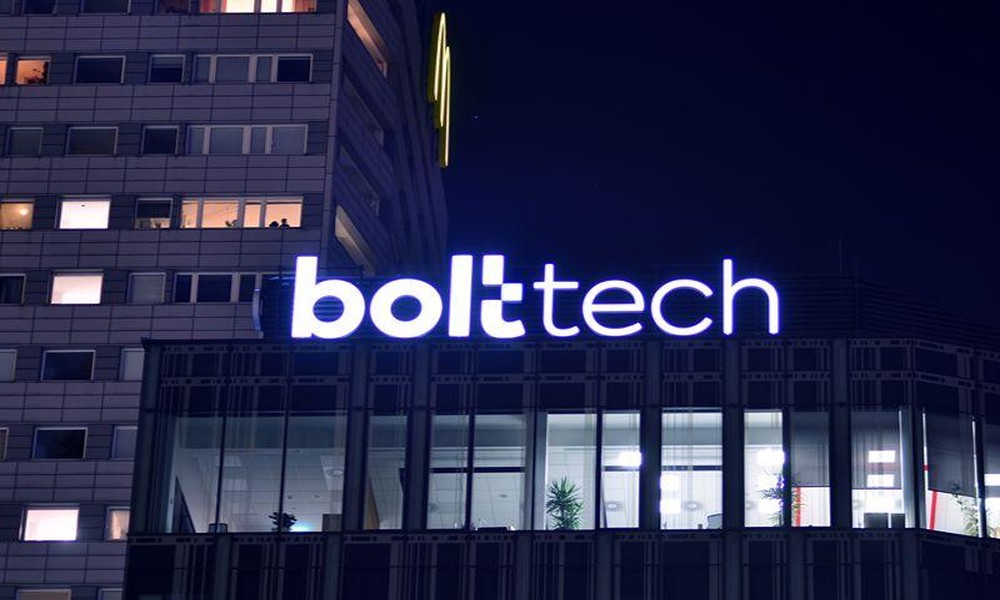
Key Takeaways
- Lighted building signs function as fixed infrastructure, requiring proper planning for wiring, structural support, and long-term exposure rather than surface-level design.
- Brightness control, LED selection, and energy use affect visibility and operating costs, making technical specification as important as appearance.
- A capable signboard maker in Singapore manages approvals, weather resistance, and maintenance planning to prevent early failure or compliance issues.
Introduction
Businesses install lighted building signs when they need visibility from a distance, especially on properties facing roads or open spaces. These signs require electrical planning, structural mounting, and compliance with building requirements. Poor specifications cause uneven lighting, early failure, or approval issues. Selecting a signboard maker in Singapore for lighted building signs depends on how well they manage these technical and regulatory factors over time.
Why Lighted Building Signs Are Treated as Infrastructure
Once installers fix a lighted building sign in place, it becomes part of the building structure. They route wiring through fixed paths, drill mounting points into façades, and limit access for future work. Later removal or adjustment usually requires scaffolding or specialised access equipment.
For this reason, teams plan lighted building signs differently from smaller signboards. They account for structural load, power supply, and exposure conditions from the start. When teams rush planning, the sign may work initially but fail earlier during regular use.
Electrical Planning and Brightness Control
Electrical planning shapes how evenly and reliably a lighted sign performs. LED type, driver selection, and wiring layout control brightness, consistency, and energy use. Designers set brightness levels for long-distance visibility rather than pushing maximum output.
Key electrical considerations include:
- LED output matched to viewing distance
- Even light spread across all characters or panels
- Wiring routes that allow inspection and repair
Poor electrical planning results in flickering, patchy illumination, or excessive brightness that shortens component lifespan.
Structural Mounting and Exposure Conditions
Lighted building signs remain exposed to weather throughout the year. Heat, rain, wind, and vibration place ongoing stress on mounting systems. Structural planning must account for these forces.
Areas to review include:
- Load distribution across the mounting surface
- Fixings appropriate for the façade material
- Protection of lighting and wiring from moisture
Weak mounting leads to gradual movement, visible misalignment, or damage that worsens over time.
Approvals and Compliance Requirements
In Singapore, lighted building signs may require approval from building management, landlords, or relevant authorities. Restrictions often apply to size, brightness, placement, and wiring routes.
A signboard maker familiar with these processes plans signage around approval limits instead of revising designs later. When compliance is addressed only after fabrication, projects are delayed or require rework. Proper coordination prevents installation from becoming a regulatory issue.
Planning for Maintenance Access
Maintenance is unavoidable for lighted signage. LEDs age, drivers fail, and wiring connections degrade. Access becomes the main challenge once a sign is installed at height.
Maintenance planning should include:
- Safe access points for future repairs
- Replacement methods that avoid full removal
- Components selected for longer service intervals
When maintenance access is ignored, simple repairs become disruptive and costly.
Evaluating a Signboard Maker’s Experience
Experience with building-scale lighted signage shows in how questions are handled. A capable signboard maker explains wiring paths, approval steps, and maintenance planning clearly. Vague answers or assumptions about fixing issues later indicate limited experience.
Because lighted building signs are difficult to modify once installed, preparation quality directly affects long-term reliability.
When a Signboard Maker May Not Be Suitable
Some signboard makers focus on smaller signage and only take on lighted building signs. They may give unclear guidance on approvals, avoid discussing weather exposure, or rely on adjustments after installation. These gaps show up later as uneven lighting, frequent maintenance, or compliance delays.
Conclusion
Choosing a signboard maker in Singapore for lighted building signs requires evaluating technical planning rather than visual design alone. These signs function as fixed infrastructure with ongoing exposure and limited access for changes. By focusing on electrical planning, structural mounting, compliance handling, and maintenance access, it becomes easier to assess whether a signboard maker can deliver a lighted building sign that performs reliably over time.
Contact My First Sign to review your lighted building sign requirements and assess technical planning before installation begins.